Itinerary
Why So Many Young Israelis Travel Through South America
The "big trip" after years of duty, the Hebrew notebook in La Paz and the route that runs down the Andes to Bahia: why so many young Israelis travel through South America.

In 1986, in a restaurant in La Paz, Bolivia, someone left a notebook on the counter. It was handwritten, in Hebrew, and full of tips from people who had just passed through: where to sleep, which bus to take, which trail was worth it. Whoever arrived read it, added their own entry and moved on. The notebook grew into a collection of volumes scattered across hostels throughout the continent and became known among travelers simply as "the Book." It helps explain why, on so many beaches and mountains in South America, from Bariloche to Itacaré, you hear Hebrew at the next table.
The big trip
In Israel there is a custom that even has a name: the big trip. After a few years of obligations, many young people save up, put a backpack on their shoulders and spend months far from home before starting college or their first job. It is something like the European gap year, but on a different scale: for a large part of a generation, traveling has become almost a stage of life.
Researcher Chaim Noy, who has studied the subject for decades, describes how backpacking went, in forty years, from an adventure for a few in the 1960s to "a massive and normative rite of passage." Studies point to the most common profile: people in their early twenties, from the middle class, traveling in small groups of friends and spending little.
How many are there
There is no official count, and it is worth saying so. The most frequently cited estimates range from 30,000 to 50,000 young people a year on long trips. According to statements by researchers to the Brazilian press, about 60% choose Asia and 30% Latin America. For Brazil there is one concrete figure from the Ministry of Tourism: 26,000 visitors residing in Israel in 2023 and 16,000 in 2024. One in five entered overland, which fits the route of those making their way down the continent.
Why South America
South America was the first destination of this tradition, even before India and Thailand. In the late 1970s the pioneers were few: one estimate puts the number at around 400 Israeli backpackers on the continent in 1980. A journalist at the time humorously nicknamed them "knights of the order of backpackers," mixing Hebrew and Spanish.
What drew them, and still draws them, is a combination of things: grand nature, low costs, hospitality and the feeling of being very far away. The classic route starts in the Andes, in Peru and Bolivia, continues to Chile and Argentine Patagonia and, more and more often, ends at the beach, in Brazil. Bahia found its place on the itinerary as the reward at the end of the trip: after the altitude and the cold, sun, warm sea and music.
How information travels
The La Paz notebook grew to sixteen regional volumes and was cited in an international travel guide. Today its role is filled by Hebrew-language websites and forums, where one traveler recommends the pousada, the restaurant and the beach to the next. That is why some places draw visitors of the same origin: those who liked it spread the word, and those who read it follow. The same happens with Argentines in Florianópolis or the French in Pipa.
In many of these destinations there is also a Jewish community house, which offers Friday night dinner and brings together those passing through. For a young person months on the road, it is a way to feel at home for one evening.
Not every Israeli is a backpacker, and not every backpacker is the same
It is often said that the trip comes "after military service," and for many it does. But service is not an experience shared by all citizens of Israel. The country's Arab citizens, about a fifth of the population, are not drafted, and among the rest there are various forms of exemption. Some travel after working, after studying, or simply because they wanted to.
There are also Israelis who come to Itacaré with their family, for work, to surf or to live. As with any nationality, a passport says where a person is from, not who they are.
What this has to do with Itacaré
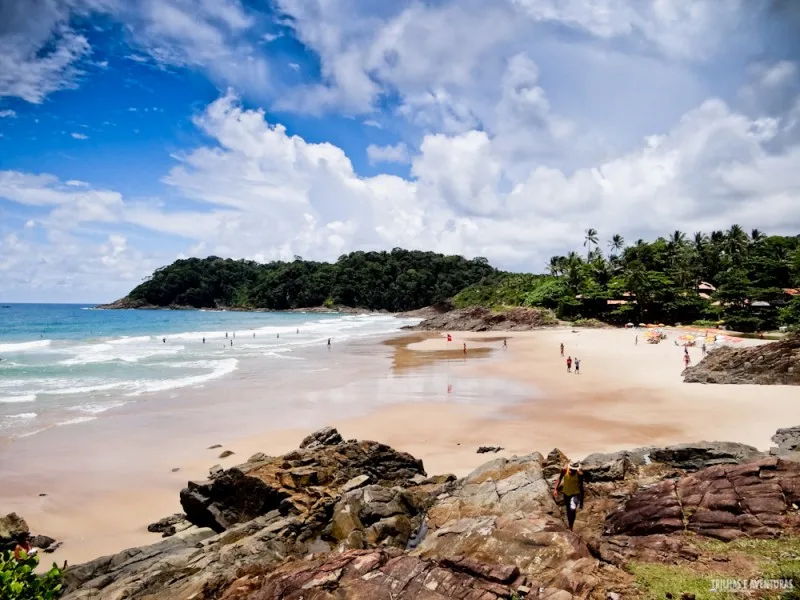
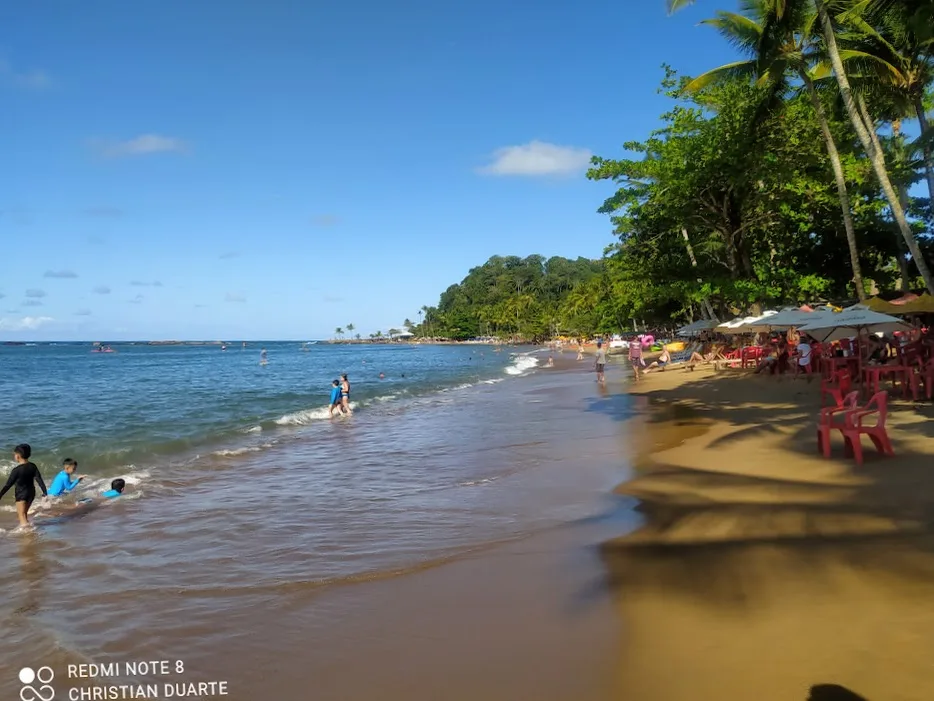
Itacaré offers what this traveler is looking for: beach and forest, affordable prices outside high season, a village where you can do everything on foot and nightlife every night. The town, in turn, gets a visitor who arrives precisely in the quietest months, stays several weeks and spends money in small businesses: the simple pousada, the prato feito restaurant, the surf lesson, the tour agency.
It is one more chapter in an old story. Itacaré was introduced to the world by backpacking travelers, the surfers of the 1970s, and it is still being discovered the same way: by people who heard from someone that it was worth it. That story is told in How Itacaré became an international destination.
In short
- The custom: a long trip, lasting months, before college or work
- How many: 30,000 to 50,000 young people a year, by estimate; there is no official count
- Where to: Asia and Latin America; South America was the first destination, in the late 1970s
- In Brazil: 26,000 visitors residing in Israel in 2023 and 16,000 in 2024 (Ministry of Tourism)
- How they choose: by the recommendations of those who went before, today on websites and forums
With information from Chaim Noy (Tourism Recreation Research, 2006), Nitza Davidovitch (Journal of Education and Training Studies, 2016), Patrick Symmes (Outside and Hadassah Magazine), Correio (2019), IBGE and the Ministry of Tourism.