Itinerary
How Itacaré Became an International Destination: From Cacao Port to Stop on the Global Traveler Trail
From the surfers of the 1970s to the paved road of 1998 and world surfing tour stops: the story of how a cacao fishing village put itself on the world map.
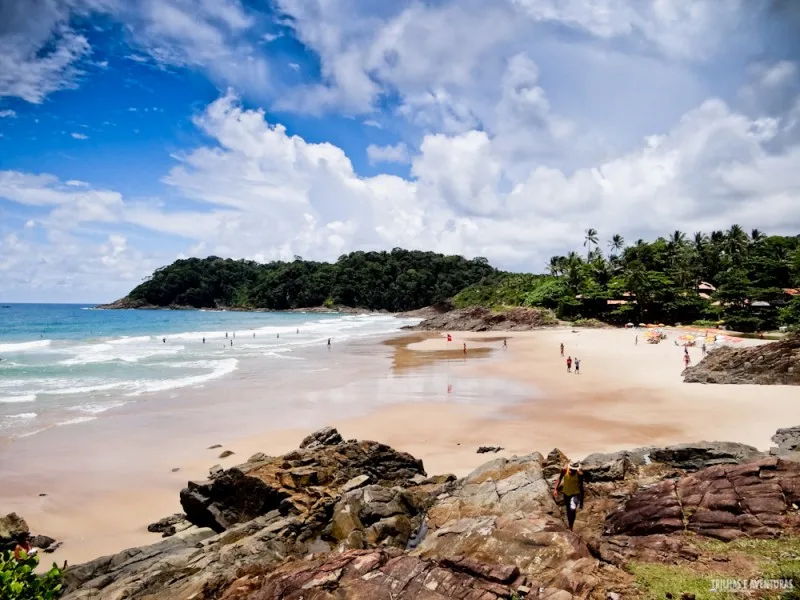
In the early 1970s, a group of surfers from Salvador unfolded a map of Bahia, spotted the mouth of the Rio de Contas and figured that where the river meets the open sea, there had to be waves. They made their way along rutted roads to a fishing village that lived off cacao and little else. Half a century later, the same village welcomes people from dozens of countries, has award-winning hotels and hosts stops on international surfing circuits. This is the story of how Itacaré got onto the world map, and of how the world came to fit inside Itacaré.
From cacao port to the end of the line
Itacaré began as a Jesuit settlement, São Miguel da Barra do Rio de Contas, in the early 18th century. In the first half of the 20th century it was an important port for the cacao economy: the cacao came down the river and was shipped from here, and the row of old houses along the waterfront is a legacy of that time. When transport shifted to highways, the town lost its role as a port and was left, quite literally, at the end of the line.
Its isolation deepened with the cacao crisis. Witches' broom disease was first recorded in Bahia in May 1989, in Uruçuca, a neighboring municipality. Bahia's output fell from 355 thousand tonnes in the 1989-1990 harvest to 156 thousand seven years later. In Itacaré, residents' income had already shrunk by about 26% over the 1980s, according to data compiled by geographer Paulo Fernando Meliani of the Universidade Estadual de Santa Cruz.
The first outsiders: surfers and hippies
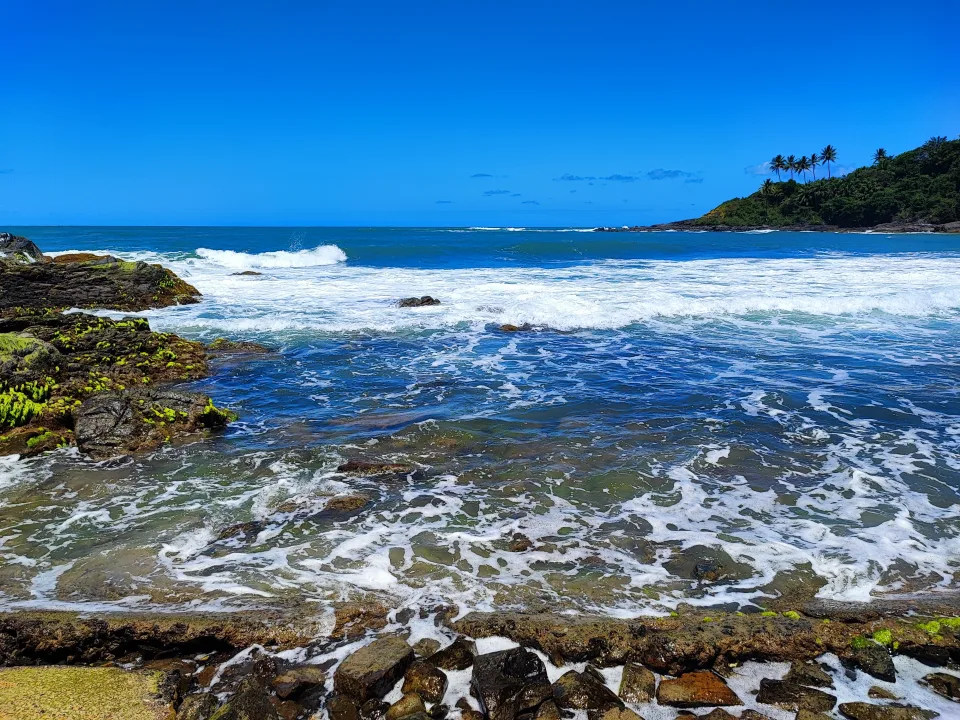
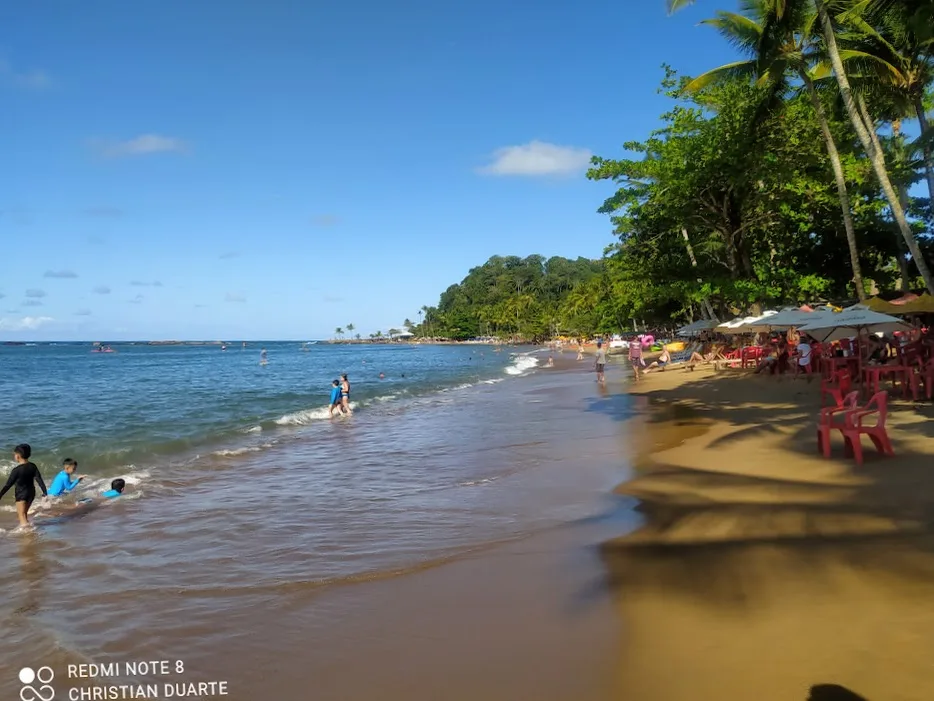
Before the crisis, tourism in Itacaré amounted to summer vacationers from the cacao families of Ilhéus, Itabuna and Ubaitaba. The surfers and hippies who arrived in the 1970s are regarded by academic research as the "discoverers" of the beaches. They came overland, a trip of more than three hours from Ilhéus when it didn't rain, and found Tiririca, Ribeira and Concha practically empty.
It was this crowd, first Brazilian and soon foreign, that spread the town's fame by word of mouth. The forest reaching down to the sand, the cove beaches and the waves all year round did the rest.
1993 to 1998: protected forest and the road
Three decisions, within five years, changed the town's fate. In 1993, the state created the Costa de Itacaré e Serra Grande Environmental Protection Area, a strip of about 28 kilometers between the Rio de Contas and the Rio Sargi. In February 1997, the Serra do Conduru State Park was born, with 9,275 hectares of Atlantic Forest. And in May 1998, the paving of the BA-001 between Ilhéus and Itacaré was completed, a project of the Northeast tourism development program, financed by the Inter-American Development Bank at a cost of about 18 million dollars.
A trip that used to take more than three hours now took one. "The paving was decisive for the municipality's place on the tourist map," writes Meliani. The order of events matters: protection of the forest came before the asphalt, which is why the road runs through forest rather than housing developments.
The town whose beds tripled
The decade's numbers tell the story of the turnaround. In 1992, the main district had 19 hotels and pousadas and 266 beds. By 2001, there were 40 establishments and 835 beds, more than triple. The research notes that, in the 1990s, Itacaré "fully assumes its tourism function," with visitors from outside the region and from abroad. Many of the new pousadas were opened by people who came from other states and other countries and stayed.
At the turn of the 2000s, upscale hotels arrived, set amid the forest, and with them a type of visitor who hadn't come before. News reports from the time already described a town where guides and pousada owners spoke English, Italian and Spanish, and where Germans, Swiss and Norwegians filled the low season.
Surfing puts Itacaré on the world calendar
The sport that discovered the town also introduced it to the world. Praia da Tiririca has hosted seven world surfing league events. In 2006 and 2007, it hosted stops on the women's elite circuit, won by Lisa Andersen and Tita Tavares. In 2008, Adriano de Souza, known as Mineirinho, won there seven years before becoming world champion. In 2015, Hawaiian Kanoa Igarashi took the event. In 2025, the Taça Brasil brought together about 195 athletes from 14 states.
A destination of many accents
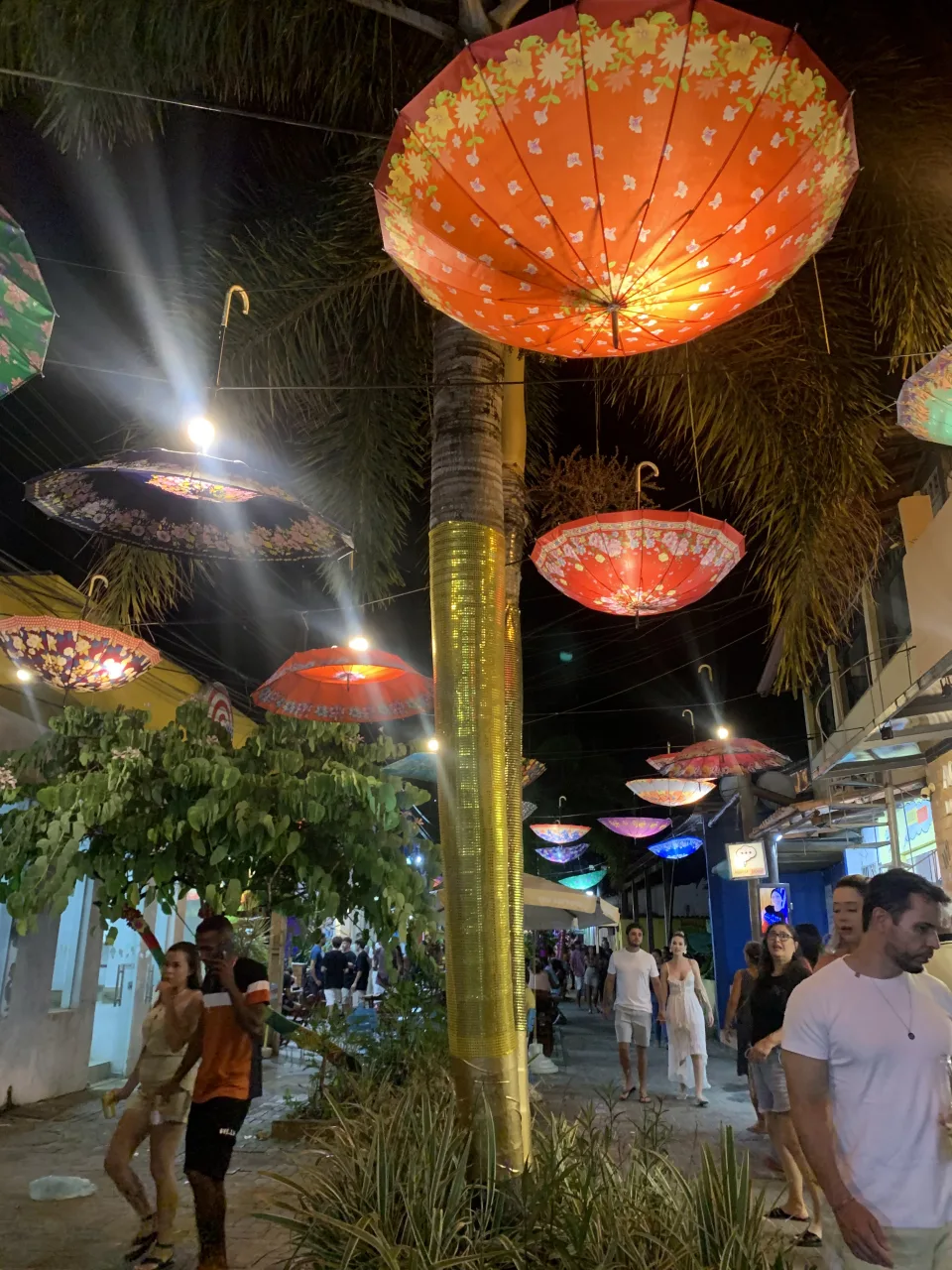
Today Bahia is the Northeastern state that receives the most foreign visitors: more than 200 thousand in 2025, led by Argentines and Portuguese. Itacaré has no statistics of its own on nationalities, and it's only honest to say so. What you see in Pituba is the picture: Argentines, French, Germans, Israelis, Chileans, Portuguese, along with Brazilians from every state. There are those who come for a week and those who came for a week twenty years ago.
This mix is as much a part of the town's identity as fishing, capoeira and cacao. The village is still small, you get around on foot, and visitors share the same street, the same beach and the same bakery line with people born here.
What this story teaches
Itacaré didn't become an international destination through an advertising campaign. It happened because it protected the forest before opening the road, because surfing brought a kind of traveler who values the place as it is, and because those who arrived found a community ready to welcome them. Growth has brought the familiar challenges of any destination that succeeds, from the cost of living to caring for nature. The answer lies in the same recipe that has worked so far: looking after what makes Itacaré Itacaré, and making the encounter between those who live here and those who visit a good one.
Timeline
- 18th century: São Miguel da Barra do Rio de Contas settlement
- Until the 1950s: cacao port
- 1970s: the first surfers and hippies arrive
- 1989: witches' broom disease is recorded in the region
- 1993: Itacaré e Serra Grande Environmental Protection Area is created
- 1997: Serra do Conduru State Park is created
- 1998: BA-001 paved between Ilhéus and Itacaré
- 1992 to 2001: beds rise from 266 to 835
- 2006 to 2015: world surfing league events at Tiririca
With information from Paulo Fernando Meliani (Geografia magazine, Unesp, 2006, and Cultur magazine, Uesc, 2011), Inema, Agência Fapesp, World Surf League, Confederação Brasileira de Surf and Embratur.