News
Cacao Takes Its Place on Itacaré's Itinerary, With Farms, a Historic Manor House and Factories Open to Visitors
A CaféPoint report shows how rural and community-based tourism is bringing visitors closer to cacao culture, which is regaining relevance thanks to fine cacao.
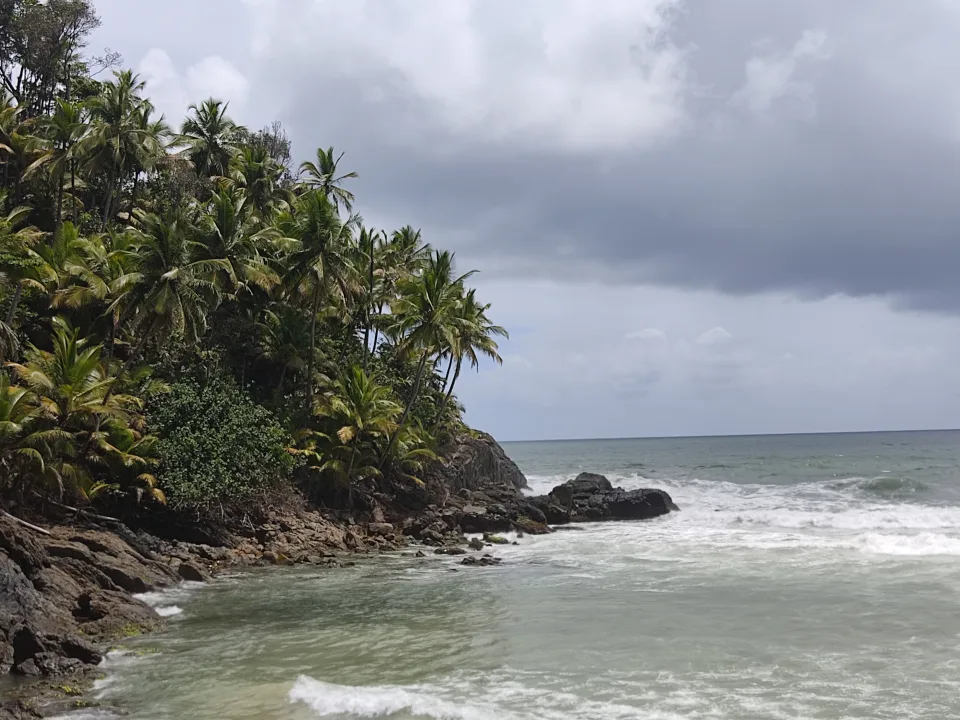
Cacao has earned a place of its own on Itacaré's itinerary. A report published by CaféPoint on October 29, 2026 describes how farms, a manor house dating from 1920 and small chocolate factories are welcoming visitors in the municipality, alongside its beaches and ecotourism.
A destination that is also cacao country
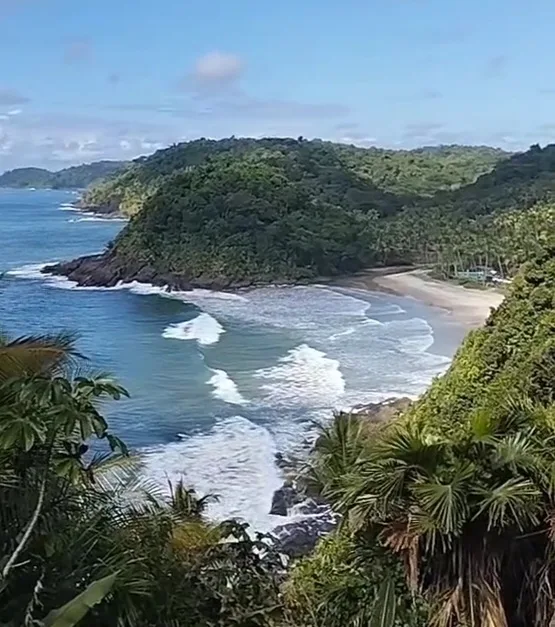
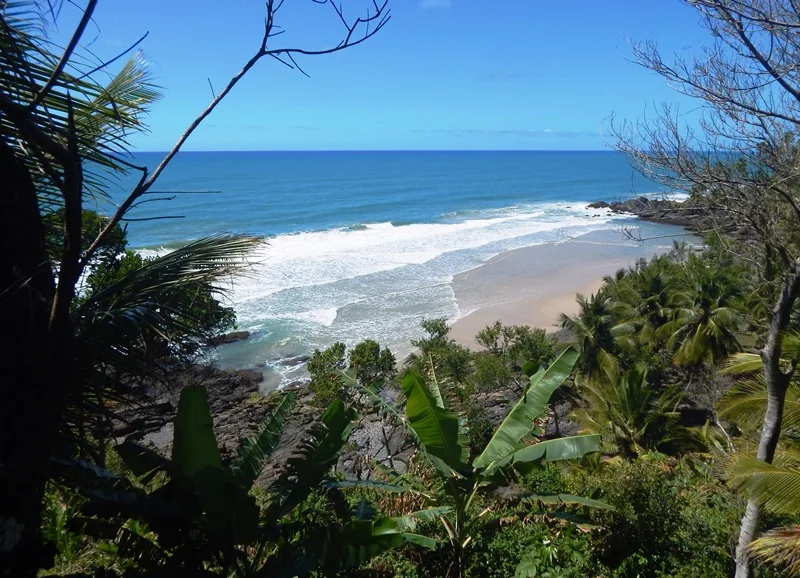
According to the report, around 750,000 people visit Itacaré every year, drawn by more than 20 beaches, 12 waterfalls and the preserved Atlantic Forest. Cacao, grown in the cabruca system, which keeps the forest standing, now appears as a cultural asset of the town.
The text notes the presence of the fruit downtown: on Rua Pituba, emporiums and delicatessens such as Cacao and Delícias do Nordeste sell local chocolates, many of them internationally awarded, as well as molasses, jam, nibs and cacao honey. The drink known as cacaurinha, served in the fruit itself, is also part of the scene at the street's tables.
The municipal tourism secretary, Patrícia Veras Soares, told the reporter that visitors want to engage with local culture, and summed it up: "Itacaré breathes cacao." She said that over the past five years the municipality has promoted the destination as a complete one, combining beaches, ecotourism and farm experiences.
Numbers and history
According to Patrícia Soares, 95% of Itacaré's GDP comes from tourism and the remaining 5% from cacao, produced by 3,500 rural producers. The secretary recalled that witches' broom disease hit the families who depended on the farms in the 1990s, and that tourism emerged as an alternative. In her view, cacao is now regaining ground, especially with the growing appreciation of fine cacao.
Where the experience happens
- Seo Cacau, on the Rio de Contas: producer William Graça Filho grows the catongo variety on 3.5 hectares. He and his wife, Marcia Poeta Graça, set up a small factory in the Vila Marambaia neighborhood, with space to show the chocolate-making process. Graça Filho said he buys beans from six riverside producers, paying up to 80% of the commodity price, and said he intends to support and train small producers rather than become a large producer himself.
- Fazenda Bonança, in Taboquinhas: located about 40 kilometers from the center, a two-hour trip. It covers 230 hectares, 147 of them planted with cacao, and has a village with a primary school and a nursery for the 17 families who work there. The owner, Rogério Kamei, of the Mestiço Chocolates brand, puts together a basic tour covering the plantation, drying and fermentation of the beans, and opens fruits of different varieties so visitors can taste the pulp.
- Vila Rosa Cacau e Cultura, also in Taboquinhas: preserves a colonial manor house from 1920, with natural stone pools and gardens open to visitors. The tour takes in the seedling nursery, old storage equipment, the drying terrace and the orchard, across about 4 hectares, and ends with a tasting of milk, dark and white chocolates, cacao honey and an alcoholic drink for adults.
The Rio de Contas as a backdrop
The report begins with a boat trip on the Rio de Contas, which is about 620 km long, rises in the Chapada Diamantina and flows into the sea at Itacaré. The boat Cioba is one of the experiences offered by Barracuda Hotel & Villas. It was during this trip that Graça Filho approached a group of tourists, mostly from São Paulo, to offer a catongo fruit harvested on his property.
For visitors
The properties mentioned receive visitors in different formats, from structured tours to simpler visits, and the report itself notes that some of them do not yet have the infrastructure for large groups. Anyone planning to visit a farm should confirm hours and conditions directly with each one before leaving the center, especially in the case of Taboquinhas, which requires a two-hour trip.
With information from CaféPoint (report by Beatriz Marques, published on 10/29/2026).